


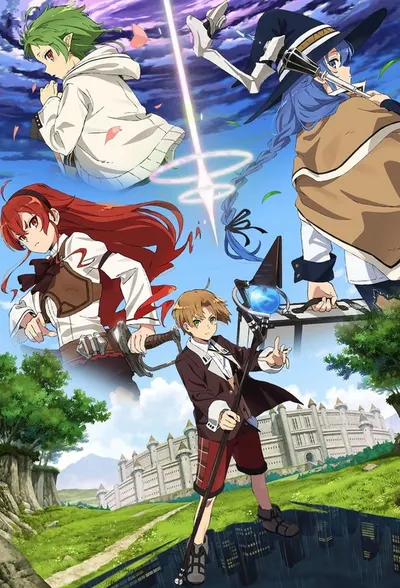
What anime is
Anime is the word used around the world for animation made in Japan. In Japan itself the word simply means “animation” of any kind, but outside the country it has come to describe a recognisable style and industry: hand-drawn or digitally drawn characters, expressive faces, detailed backgrounds, and stories that range from gentle comedies to long, serious dramas.
Anime is not a genre. It is a medium, in the same way that live-action film is a medium. A single anime season can include a sports drama, a horror series, a romantic comedy, a historical war story and a cooking show. That variety is the main reason people who think they “don’t like cartoons” often find an anime that changes their mind.
Most anime is based on existing material. The most common sources are manga (Japanese comics), light novels (short illustrated novels), web novels and video games. Original anime, written directly for the screen, are less common but often the most talked-about shows of their year, because nobody knows how they end.
A short history of anime
Japanese studios were experimenting with animation in the early twentieth century, but the modern industry took shape in the 1960s, when weekly television series became affordable to produce. Those early shows established habits that are still visible today: limited animation to save cost, strong character designs, and serialised stories that keep viewers coming back each week.
The 1970s and 1980s brought giant-robot series, space operas and the first big theatrical films. Feature films and direct-to-video releases in the late 1980s showed international audiences that animation could be made for adults, with ambitious art and mature themes. In the 1990s, satellite television, video rental and fan clubs spread anime far beyond Japan, and several series from that decade are still treated as classics.
The 2000s moved production to digital tools, and the late-night TV slot became home to shows aimed at older fans. Since the 2010s, legal streaming has changed everything: episodes can now reach viewers worldwide within hours of the Japanese broadcast, with subtitles in many languages. Today anime is one of Japan’s best-known cultural exports, and international viewers are a large part of its audience.
How anime seasons work
Japanese television releases new anime in four broadcast seasons a year. Each one starts at the beginning of a quarter, and most new shows premiere within the first few weeks of it.
| Season | Starts | What to expect |
|---|---|---|
| Winter | January | Often continues big shows from autumn, plus new adaptations. |
| Spring | April | Traditionally one of the busiest seasons, with many major premieres. |
| Summer | July | A mix of sequels, lighter comedies and experimental titles. |
| Fall (Autumn) | October | Usually the busiest season, with many of the year’s most anticipated shows. |
The unit of length is the cour, a run of roughly three months, which works out to about 12 or 13 weekly episodes. A “one-cour” show tells its story in about 12 episodes. A “two-cour” show runs for around 24 to 26 episodes across two seasons in a row. When a show takes a planned break in the middle, the second half is called a split cour, and it is often marketed as “Part 2”.
A few series ignore this system entirely. Adaptations of long-running weekly manga can air every week for years. Children’s shows also tend to run continuously. For most other titles, though, the cour is the reason a story you are enjoying can end after twelve episodes and only return a year or two later.
Formats you will see listed
- TV — a regular series broadcast on Japanese television, usually weekly. Episodes run about 23–24 minutes, including the opening and ending songs.
- Movie — a feature film released in cinemas. Some films are standalone stories; others continue the main plot of a TV series.
- OVA (Original Video Animation) — episodes released straight to home video, historically on tape and disc. They often adapt side stories or extra chapters.
- ONA (Original Net Animation) — anime released first on the internet, such as on a streaming service, rather than on television.
- Special — a short extra episode: a recap, a holiday episode, or a bonus included with a home-video release.
- Short — series with episodes of only a few minutes each, common for comedies.
Who anime is made for: the demographics
Many anime inherit a demographic label from the magazine their source manga ran in. These labels describe the original target audience, not a set of rules. Plenty of people outside each group enjoy the shows, and the labels say little about quality.
| Label | Original audience | Typical traits |
|---|---|---|
| Kodomomuke | Young children | Simple stories, clear morals, bright colours, often very long-running. |
| Shonen | Teenage boys | Action, rivalry, friendship and steady self-improvement; many of the most famous franchises. |
| Shojo | Teenage girls | Relationships, emotions and personal growth; romance is common but not required. |
| Seinen | Adult men | More complex or darker themes, slower pacing, morally grey characters. |
| Josei | Adult women | Realistic relationships, work and adult life, often grounded and understated. |
Popular genres, explained
On top of demographics, every anime has one or more genres. These are the ones new viewers ask about most often.
- Action and adventure — journeys, battles and tournaments. The backbone of shonen, but found everywhere.
- Isekai — “another world”. A character from our world is transported or reborn into a fantasy world, often with game-like rules. One of the most common genres of the last decade.
- Slice of life — everyday moments: school, work, hobbies and friendships, with little or no overarching plot. A gentler subset, iyashikei (“healing”), is designed to be calming.
- Mecha — stories built around giant piloted robots, ranging from war dramas to comedies.
- Sports — team or individual competition, focused on training, strategy and the matches themselves. Many viewers learn the rules of a new sport this way.
- Romance and romantic comedy — from slow-burn dramas to misunderstandings played for laughs.
- Mystery, psychological and thriller — puzzles, mind games and unreliable narrators. Often seinen, often short.
- Horror and supernatural — ghosts, curses, monsters and folklore, including many stories drawn from Japanese legends.
- Science fiction — space travel, cyberpunk cities, time travel and artificial intelligence.
- Fantasy — magic systems, kingdoms and quests, with or without an isekai twist.
Subbed or dubbed: which should you choose?
A subbed version keeps the original Japanese voice acting and adds translated subtitles. A dubbed version replaces the voices with a new recording in another language. Neither is “correct”, and many fans switch depending on the show.
- Choose subtitles if you want the performances the director originally cast, or if you want to watch new episodes as soon as they are released. Subtitles normally arrive first.
- Choose a dub if you want to watch the animation rather than read, if you watch on a small screen, or if you are sharing the show with someone who finds subtitles tiring.
- Japanese voice actors are called seiyuu. Many are celebrities in Japan, and following a favourite seiyuu is a common way fans find new shows.
How to read an airing schedule
New episodes air once a week on a fixed day. In Japan, most anime for teenage and adult audiences air late at night, after 10 PM and often after midnight, Japan Standard Time (JST, UTC+9). That has two consequences for viewers elsewhere.
- The day can shift. A show listed for “Sunday 1:00 AM JST” has, for a viewer in Europe or the Americas, already aired on Saturday.
- Streaming adds its own delay. International services usually publish the episode at a set time after the broadcast, from a few minutes to a few hours later. That moment is called the simulcast.
- Delays happen. Production problems, sports coverage and national holidays can push an episode back by a week. A recap episode in the middle of a season usually means the studio needed more time.
This is why Animes.watch converts every airing time into the time zone of the device you are using, and shows a countdown to the next episode. The times are estimates based on the broadcast schedule and can change when a broadcaster changes its plans.
How to choose your first anime
The best first anime is one that matches something you already enjoy. Start with what you like in films, books or games and look for the same genre.
| If you enjoy… | Look for anime tagged… |
|---|---|
| Superhero films and big action franchises | Action, shonen, supernatural |
| Fantasy novels and role-playing games | Fantasy, adventure, isekai |
| Crime dramas and detective stories | Mystery, psychological, thriller |
| Romantic comedies | Romance, comedy, shojo, josei |
| Sports documentaries | Sports |
| Calm, cosy films and books | Slice of life, iyashikei |
| Hard science fiction | Sci-fi, mecha, seinen |
A few practical tips help too. Give a series three episodes before you decide: many shows spend the first episode setting up their world. Start with a complete one- or two-cour series so you get a whole story without a long commitment. And read the genre tags and age rating before you start, so you know what kind of show it is.
Watching anime legally and supporting creators
Anime is expensive to make. A single TV episode involves storyboard artists, key animators, in-between animators, background painters, colourists, composers, voice actors and editors, usually working to tight deadlines. Shows are funded by production committees — groups of publishers, broadcasters, music labels and merchandise makers — who get their money back through licensing, streaming, home video and merchandise.
When you watch on a licensed service, part of what you pay or the advertising you see goes back to the people who made the show. Viewing figures on licensed platforms also count when committees decide whether to fund another season. Unlicensed sites give nothing back to the creators, often carry harmful advertising, and can disappear without warning.
That is why Animes.watch only plays video from providers it has the right to use, such as official trailers and clips published by rights holders. Rights holders who find a problem can report it to us.
Keeping track: watchlists and progress
Once you follow more than a few shows, keeping track of where you are becomes its own job. A simple routine keeps it manageable.
- Keep one watchlist. Add a show the moment it catches your interest, and remove it when you lose interest. On Animes.watch the watchlist works without an account and is saved in your browser.
- Mark episodes as you go. The site remembers which episodes this browser has opened, so you can see at a glance where you stopped.
- Plan by season. Before a new season starts, choose two or three new shows rather than ten. It is easier to finish what you start.
- Check the schedule once a week. The weekly view shows every episode we expect in the coming days, in your own time.
Anime glossary
| Arc | A self-contained chapter of a longer story, usually several episodes long. |
| Canon | Events that belong to the official story told by the original source. |
| Filler | Episodes made for the anime that are not in the source material, often added so the anime does not overtake the manga. |
| Cour | A broadcast block of about three months, usually 12 or 13 episodes. |
| OP / ED | The opening and ending theme songs with their animated sequences. |
| Seiyuu | A Japanese voice actor. |
| Mangaka | The author and artist of a manga. |
| Simulcast | An episode released internationally shortly after its Japanese broadcast. |
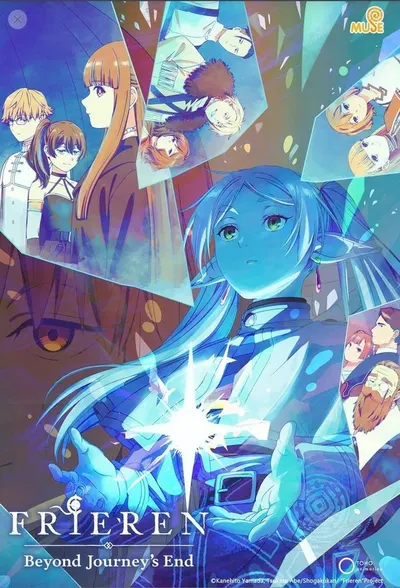
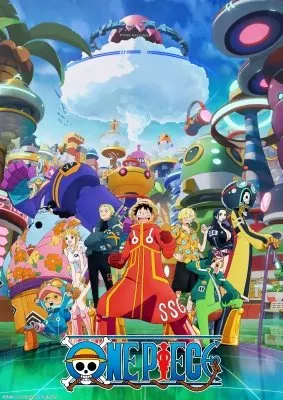
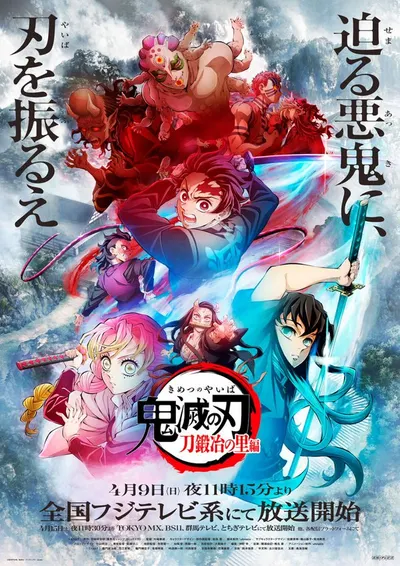
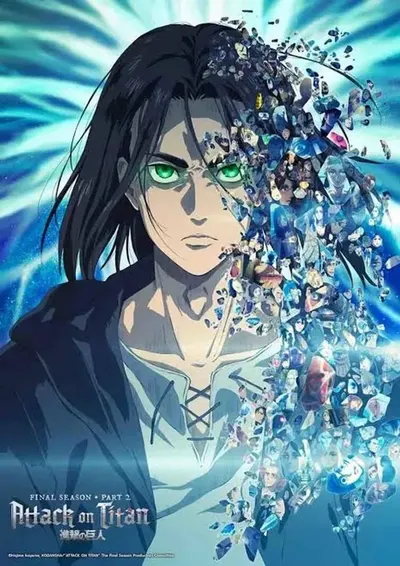
| Key visual | The official poster artwork that announces a series or a new season. |
| PV | “Promotional video”, the Japanese term for an official trailer. |
| Donghua | Animation made in China, often listed next to anime on catalogs. |
| Sakuga | A scene with especially high-quality, fluid animation, often celebrated by fans. |
Talking about anime: spoilers and good manners
Anime communities are busiest on the day a new episode comes out, which is also when spoilers do the most damage. Viewers in different time zones see episodes hours apart, and many people watch a season only after it finishes. Mark spoilers, keep plot details out of titles and first lines, and remember that dubbed and subbed viewers may be at different points in the story. Disagree about a show, not about the person who likes it.
Common questions about anime
Is anime only for children?
No. Japanese studios make anime for every age group. Some shows are made for young children, but a large share of each season is written for teenagers and adults, with mature themes such as war, grief, politics, work and relationships. The demographic labels (shonen, shojo, seinen, josei) tell you who a show was first made for, and age ratings on official services tell you what it contains.
How many episodes does a typical anime season have?
Most TV anime run in blocks called cours. One cour is usually 12 or 13 weekly episodes, which fills one quarter of the year. A two-cour show runs for around 24 to 26 episodes. Long-running series such as adaptations of popular weekly manga can run for hundreds of episodes without a break.
What is the difference between subbed and dubbed anime?
Subbed means the original Japanese voice track is kept and translated text appears on screen. Dubbed means the dialogue has been re-recorded by voice actors in another language, such as English. Subtitles usually arrive first, often within hours of the Japanese broadcast, while dubs take longer to produce.
Why are anime release times so confusing?
Most series first air on Japanese television late at night, Japan Standard Time (UTC+9). Depending on where you live, that can fall on the previous day. Streaming services then publish the episode at their own set time. An airing schedule that converts every time into your own time zone removes the guesswork.
What does “season 2” or “part 2” actually mean?
Studios often adapt a story in pieces. A new season is a fresh run of episodes after a break. A “part 2” or “split cour” is the second half of one season, shown after a pause of a few months. Sequels can also be released as movies, which sometimes continue the main story rather than telling a side story.
Do I need to read the manga before watching the anime?
No. Most adaptations are written so that newcomers can follow them. Reading the source later is a good way to learn what was cut or changed, and it is the only way to continue a story the anime has not adapted yet.
How can I support the creators of the anime I enjoy?
Watch on licensed services, buy official merchandise, Blu-rays, manga volumes and soundtracks, and share official trailers. Viewing numbers on licensed platforms are one of the signals studios and committees use when they decide whether to make another season.
What is Animes.watch?
Animes.watch is an anime guide. It lists series with their episodes, characters, trailers, genres and a weekly airing schedule shown in your own time zone, and it lets you keep a watchlist. Series details come from public anime databases, and videos play only from providers the site has the right to use.